- Car & Truck Air Conditioning Heating Parts On Sale
- sku: 9146842934030632
- HONDA 063800-6641
063800-6641 HONDA Air Flap Vent Actuator Civic
fits model: Civic. year: 1996–2000.
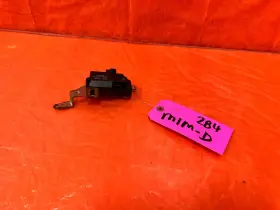
| Brand | HONDA |
|---|---|
| Manufacturer Part Number | 063800-6641 |
| Part Type | ACTUATOR FLAP VENT |
Review HONDA Air Flap Vent Actuator Oem Factory Oe #284 for CIVIC 1996–2000
The Honda 063800-6641 Air Flap Vent Actuator is a crucial component for the climate control system in certain Honda Civic models from the 1996 to 2000 generations. This actuator is responsible for controlling the air flaps located behind the dashboard vents, allowing for optimal airflow distribution and temperature control in the vehicle's cabin.
The actuator measures approximately 6.7 inches (17 cm) in length, 2.2 inches (5.6 cm) in width, and 1.2 inches (3 cm) in height. It is designed with a durable, compact construction, featuring a sleek black finish that blends seamlessly with the interior of the vehicle.
The Actuator operates through an electric motor, which is activated by the climate control system's computer when needed to adjust the position of the air flaps. It is essential to note that this part is an OEM (Original Equipment Manufacturer) component, ensuring the highest quality and compatibility with your Honda Civic's climate control system.
Installing the Honda 063800-6641 Air Flap Vent Actuator is a relatively straightforward process. However, it is recommended that you consult your vehicle's service manual or consult a professional technician to ensure proper installation. The actuator comes with all necessary hardware for installation, including mounting brackets and wiring harnesses.
In summary, the Honda 063800-6641 Air Flap Vent Actuator is a vital component for maintaining the climate control system in select Honda Civic models from 1996 to 2000. Its durable, compact design ensures reliable operation, and its sleek black finish complements the interior of your vehicle. With its easy installation process and OEM quality, this actuator is an excellent choice for Honda Civic owners seeking to restore optimal climate control performance.
Honda 063800-6641 96-00 Civic Air Flap Vent Actuator 284: A Comprehensive Analysis
The Honda 063800-6641 Air Flap Vent Actuator 284 is a crucial component for the climate control system in certain Honda Civic models (1996-2000). This part controls the airflow distribution between the defrost and the ventilation modes. Here's a detailed analysis of its pros and cons to help you make an informed decision.
Pros:1. OEM Part: This actuator is a genuine Honda part, ensuring a perfect fit and optimal performance for your vehicle.
2. Improved Climate Control: By controlling the airflow distribution, this part contributes to enhanced climate control inside your car, providing better comfort for the driver and passengers.
3. Reliability: As an OEM part, the Honda 063800-6641 284 Air Flap Vent Actuator is built to last, reducing the likelihood of replacement in the near future.
Cons:1. Cost: Original equipment manufacturer (OEM) parts can be more expensive than aftermarket alternatives. However, the superior quality and reliability may justify the cost for some buyers.
2. Availability: Depending on your location and the specific availability of the part from Honda dealers, you may experience longer wait times compared to aftermarket alternatives.
3. Complex Repair: Replacing this part can be a complex process that requires specific tools and knowledge, potentially resulting in additional labor costs.
Conclusion:The Honda 063800-6641 96-00 Civic Air Flap Vent Actuator 284 is an essential component for the climate control system in certain Honda Civic models. While it comes with a higher price tag compared to aftermarket alternatives, its OEM quality, reliability, and improved climate control make it a worthwhile investment for those seeking a perfect fit and optimal performance for their vehicle. However, its complex repair process and potential availability issues should be considered before making a purchase.
Recommendation:If you prioritize a perfect fit, optimal performance, and superior reliability, the Honda 063800-6641 96-00 Civic Air Flap Vent Actuator 284 is a solid choice. However, if you're looking for a more budget-friendly option or prefer a quicker turnaround time, consider exploring aftermarket alternatives. Ultimately, the decision depends on your personal preferences, priorities, and the specific requirements of your vehicle.
Details:
specifications aircondiheat:
- for models: Civic
- for years: 1996–2000
- brand: Honda
- mpn: 063800-6641
- part type: Actuator Flap Vent
returns aircondiheat:
- policy: no returns
payments aircondiheat:
- other
- credit card: discover
- wallet: paypal
offer aircondiheat:
- sold #: 24
- options: ship-to-home
- prices: $49.95–$54.95
- item condition: Used
- in stock #: 2
- started: march 31, 2025
- availability: in stock
seller aircondiheat:
- rating: 98.1%
- city: opa-locka, florida
- # reviews: 9165
general aircondiheat:
- category: Auto Parts > Car Truck Accessories > Air Conditioning Heating
shipping aircondiheat:
- type: fixed
- service: expedited
- class: expedited
- transit: 3-8 days
Similar Items:
- Honda 77620-tr6 2013 2015 Civic Dash Left Driver Side Heater Air Vent Grille 84435b Please see the details for this vehicle. 2015 Honda civic ex, ex-l, hybrid, hybrid-l, LX, natural gas, SE 1.5L l4 - electric/gas, 1.8L CNG, gas. This part is taken from 2014 Honda civic ex. 2013 Honda civic ex, ex-l, hf, hybrid, hybrid-l, LX, natural gas 1.5L l4 - electric/gas, 1.8L CNG...(January 22nd, 2024)
- Honda Aw063800-1340 11-17 16 Odyssey Front Heater Temperature Actuator Motor Oem 2016 Honda odyssey front heater temperature actuator motor aw oem...(January 29th, 2024)
- Honda 682-58928 Ac Compressor Sohc Fits 02-05 Civic Inspected and replace seals before installation if necessary. Check with the dealer as components may be different. Inspect and replace seals before installation if necessary. Timing components, injectors, oil cooler, thermostat, and water pump must be replaced. It is required that you re-seal ...(January 29th, 2024)
- Honda Aw063800-1420 2014 Pilot Heater Blend Flap Actuator 063800-1420 Oem 09 10 11 12 13 14 15 2014 Honda pilot heater blend flap actuator oem 09 10 11 12 13 14 15...(January 31st, 2024)
- Honda 682-50108 Ac Compressor Fits 06-11 Civic It is a lot easier and cheaper to replace while the parts are off vehicle compared installed finding out after there leak. For example if the offer says bumper Reba and only but photo shows a entire car it still means not cover that is why price so low shipping free. No expedited shipping is ...(January 31st, 2024)
- Honda 615-58705 Blower Motor Fits Cr-v Ex-l 2012 2016 Oem Standard warranty. Blower motor 2012 Honda Cr-v ex-l...(January 31st, 2024)
- Honda 679-50119 Ac Condenser Sedan Ex Fits 06-11 Civic Warranty all parts are covered by our 6 month money back guarantee. Ac condenser sedan ex fits 06-11 civic 5855053...(February 5th, 2024)
- Honda 682-69517 Ac Compressor Naturally Aspirated Fits 16-19 Civic ...(February 6th, 2024)
- Honda 655-72878 Heater Climate Temperature Control With Ac North America Built Fits 16-18 Civic Heater climate temperature control with ac north America built fits 16-18 civic this part was removed from a 2016 with 84000 miles on it. Part notes notes: auto,dual zone donor vehicle model: civic year: 2016 mileage: 84000 1000 unknown stock number: 24A076 fitment information this part will fit...(February 7th, 2024)
- Honda 655-51153 Temperature Control Button Assembly Push Coupe Dx Fits 01-05 Civic ...(February 9th, 2024)
- Honda 682-58755 1998 2001 Cr-v Ex A c Refrigerant Suction Hose Oem Standard warranty...(February 10th, 2024)
