- Car & Truck Air Conditioning Heating Parts On Sale
- sku: 514870053060651
- AUDI 4H0907658
4H0907658 AUDI Air Sensor
fits year: 2016–2017.

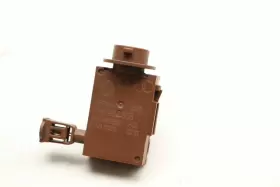
| Brand | AUDI |
|---|---|
| Manufacturer Part Number | 4H0907658 |
| Part Type | SENSOR |
| Manufacturer Warranty | 30 DAY |
| Tested | TESTED, CLEANED AND INSPECTED |
| Fitment Type | DIRECT REPLACEMENT |
Review AUDI Air Quality Sensor
Audi 4H0 907 658 Air Quality Sensor for select 2016-2017 Audi models
Introduction:The Audi 4H0 907 658 is a vital air quality sensor designed specifically for select Audi vehicles manufactured between the years 2016 and 2017. This essential component is responsible for monitoring and controlling the cabin air quality, ensuring a comfortable and healthy driving experience for the vehicle's occupants.
Functionality:The Audi 4H0 907 658 air quality sensor continuously analyses the outside air that enters the vehicle's HVAC system. It precisely measures the quantity of harmful pollutants like fine dust particles, nitrogen oxides, and other injurious substances. When pollutant levels exceed specified limits, the sensor sends an alert to the vehicle's infotainment or instrument cluster, allowing the driver to react accordingly.
Design and Durability:This air quality sensor from Audi is meticulously built with advanced technology to deliver accurate and reliable results. It features a compact and robust design, making it perfectly suited to the challenging automotive environment. The sensor is tested rigorously to ensure its durability and resistance to harsh conditions, guaranteeing seamless integration into the vehicle's HVAC system for the entire lifespan of the vehicle.
Installation and Replacement:Installing the Audi 4H0 907 658 air quality sensor is a remarkably simple process that can be accomplished in just a few steps. It is usually located near the intake of the vehicle's HVAC system. In case of replacement, it is necessary to ensure that the new sensor is a compatible match with the particular Audi model and year before purchasing. Always follow the manufacturer's instructions carefully when working on your vehicle or consult a professional technician for assistance.
Importance of timely replacement:A faulty or malfunctioning air quality sensor can potentially result in exposure to unhealthy air conditioned environments. It is thus crucial to replace the sensor at the recommended interval to maintain comfortable and healthy cabin air quality. Proper maintenance not only ensures the well-being of the vehicle's occupants but also extends the overall life of the HVAC system.
Conclusion:The Audi 4H0 907 658 air quality sensor plays a crucial role in providing a healthy and comfortable driving experience for passengers in select 2016-2017 Audi models. With its highly precise measurement capabilities and durable design, this component contributes significantly to the vehicle's air filtration system. Keeping the sensor in good working order is essential for both the well-being of those on board and the longevity of the HVAC system.
Considerations Before Purchasing an Audi 4H0 907 658 Air Sensor (2016-2017)
1. Background:The Audi 4H0 907 658 is a critical component in the air quality control system of Audi vehicles from 2016 to 2017. This air sensor's primary role is to monitor the car's cabin air quality, ensuring the proper functioning of the recirculation mode and air filtration system.
2. Pros:a. Enhances cabin air quality: By constantly monitoring cabin air quality, the Audi 4H0 907 658 air sensor ensures passengers breathe clean and fresh air.
b. Reduces allergens and pollutants: The air filter leverages this sensor to capture dust, pollen, and other airborne particles, making driving more comfortable for allergy sufferers and keeping the vehicle's interior clean.
c. Improves HVAC system performance: By accurately measuring the air quality, this sensor contributes to the efficient operation of the heating, ventilation, and air conditioning (HVAC) system.
2. Cons:a. High replacement cost: The Audi 4H0 907 658 air sensor can cost upwards of $200, making it a significant investment.
b. Potential for false positives: The sensor might sometimes generate false positives, causing the car to switch to recirculation mode unnecessarily wasting fuel and potentially compromising the drivers' exposure to fresh air.
c. Limited availability: Finding a genuine OEM replacement for this sensor might be difficult in some markets, although aftermarket alternatives may be available, although their performance and longevity remain uncertain.
In conclusion, the decision to buy an Audi 4H0 907 658 air sensor depends on several factors, such as the importance of maintaining good indoor air quality, the tolerance of passengers to allergens and pollutants, and the replacement cost. If the driving experience in a polluted environment warrants the investment, then the potential benefits may outweigh the disadvantages. However, for those sensitive to the high replacement cost, alternative options, such as periodic filter replacement, could be considered.
Recommendation: Assess the importance of cabin air quality, balanced against the replacement cost and potential alternative solutions. If riding in a clean environment, or having passengers with allergies, this investment might be worthwhile for the improved air quality and comfort. Otherwise, alternative solutions, like regular filter replacements, may be considered to save on cost while maintaining basic air quality control.
Details:
2016 Audia3 e-transiting vehicles with production date after 05/26/14. Part fitment and compatibility.
Please here to view details 2016 -2017 Audi tt - air quality sensor 4H0907658: condition notes this part comes as shown in the picture. 2019 -2020Audia3, a3 ,s line, sedan 1.4l gas turbo, 2.0l turbo for vehicles with production date after 09/05/16. 2018 Audia3, a3 ,s line, sedan 1.4l gas turbo, 1.8l 2.0l turbo for vehicles with production date after 09/05/16.
specifications aircondiheat:
- for years: 2016–2017
- brand: Audi
- mpn: 4h0907658
- part type: Sensor
- manufacturer warranty: 30 Day
- tested: Tested, Cleaned And Inspected
- fitment type: Direct Replacement
returns aircondiheat:
- time: 30 days
- policy: returns accepted
- paid by: buyer
general aircondiheat:
- category: Auto Parts > Car Truck Accessories > Air Conditioning Heating
shipping aircondiheat:
- class: standard, expedited, one-day
- type: calculated
- carrier: usps, ups
- service: usps ground advantage, usps priority mail, ups 2nd day air, ups next day air
- transit: 3-7 days
payments aircondiheat:
- credit card: discover
- wallet: google-pay
seller aircondiheat:
- rating: 99.0%
- city: waverly, minnesota
- # reviews: 58092
offer aircondiheat:
- prices: $20.99–$104.99
- item condition:
- Used
- New
- availability: in stock
- sold #: 35
- options: ship-to-home
- in stock #: 5
- started: february 13, 2024
Similar Items:
- Volkswagen 8z0820535a 2022-2023 Audi E-tron S Sportback Ambient Air Temperature Sensor Please here to view details 2022 -2023 Audi e-trons sport back - ambient air temperature sensor 8Z0820535A: condition notes this part comes as shown in the picture. Part fitment and compatibility. 2016 AUDIA3 e-tron sedan, 2016 -2017AUDIA3 sport back E-TRONHATCHBACK1.4L gas turbo, 2018 AUDIA3 ...(January 25th, 2024)
- Audi 8k1819408 08-17 A4 S4 A5 S5 Rs5 Q5 Sq5 Cabin Air Duct Grille Vent 8k1819408a 2016 Audi SQ5 premium plus 3.0L v6 - gas. Some brackets / parts require new torque to yield nuts and bolts. Left is driver side, right passenger side. 2017 Audi SQ5 premium plus 3.0L v6 - gas. Some sensors and modules require programming, component protection removal, crush washers, new seals o ...(January 25th, 2024)
- Audi 8t1820951c 08-12 A4 S4 A5 S5 B8 Center Dash Dashboard Air Vent Oem Part #: Audi 8T1820951C for sale...(February 4th, 2024)
- Audi 8w1 819904a 2017-2023 A4 A5 Front Right Side Cabin Fresh Air Intake Duct 8w1819904a ...(February 9th, 2024)
- Audi 4g0129624j 2013 2018 S7 Rs7 4g 4.0l Hose Tube Pipe Air Intake Cleaner Box Duct Oem Orders placed before 0800 ect are dispatched on the same day. Simply drop us a message with your car model and we'll quickly confirm the fitment...(February 11th, 2024)
- Audi 077129951 2005 2006 A8 D3 4.2l Hose Tube Pipe Air Intake Cleaner Box Oem Orders placed before 0800 ect are dispatched on the same day. Simply drop us a message with your car model and we'll quickly confirm the fitment...(February 25th, 2024)
- Audi 4h0907658c 2019-2023 Vw Arteon Air Quality Sensor 2017AUDIA3 sport back E-TRONHATCHBACK1.4L gas turbo, 2018 AUDIA3 turbo for vehicles with production date after 09/05/16. Part fitment and compatibility. 2020 AUDIQ7SPORT UTILITY2.0L gas turbo, 3.0L turbo for vehicles with production date after 08/19/19. 2019 AUDIQ7S line, sport UTILITY2.0L gas ...(March 3rd, 2024)
- Audi 4g0819210 2011-2013 A8 Quattro Upper Right B Pillar Air Vent Oem And Cflo 2011-2013 Audi a8 quarto upper right b pillar air vent 4G0819210 oem Sana. Receipts are available upon request. There is no holding of items unless agreed upon. First come first serve...(March 3rd, 2024)
- Audi 1020448s01 2008 2017 S5 A5 8t Air Duct Intake Cleaner Hose Tube Box Oem Orders placed before 0800 ect are dispatched on the same day. Simply drop us a message with your car model and we'll quickly confirm the fitment...(March 4th, 2024)
- Audi 4g8819723a 2012-2018 A7 Front Left Driver Side Dashboard Air Vent Duct Pipe Oem Donor vehicle: 2018 Audi a7 quarto 4G8. Body type: premium plus hatchback 4 door. Transmission: 8 speed automatic transmission F 8HP...(March 6th, 2024)
- Audi 4g1260712g 2012-2018 A7 3.0l A c Air Conditioning Evaporator Line Pipe Hose Oem Transmission: 8 speed automatic transmission F 8HP. Body type: premium plus hatchback 4 door. Donor vehicle: 2018 Audi a7 quarto 4G8...(March 8th, 2024)
