- Car & Truck Air Conditioning Heating Parts On Sale
- sku: 5921837437684651
- BMW 64116954488-20168
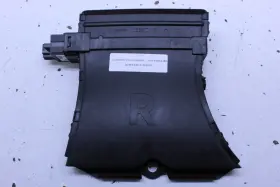
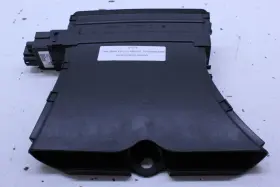
64116954488-20168 BMW Rear Seat Heater Floor Duct Right X5 X6
fits model: X5, X6. year: 2007–2018.

| Brand | BMW |
|---|---|
| Manufacturer Part Number | 64116954488-20168 |
| Part Type | SEAT HEATER DUCT |
| Year | 2008 |
| Storage Location | U657 |
| Chassis | E70 |
| Body Style | SUV |
| Fitment Notes | FITMENT NOT GUARANTEED VERIFY BY PART NUMBER |
| Engine | 3.0 / N52 |
| Placement On Vehicle | REAR |
Review BMW 64116954488 Rear Seat Heater Floor Duct Right Passenger for X5 X6 2007–2018
The BMW 2007-2018 X5 and X6 models come equipped with a variety of features that ensure a comfortable and enjoyable driving experience. One such feature is the rear seat heater duct for the right passenger side. This heater duct is identified by the part number BMW 64116954488-201168.
This heater duct is designed to provide additional warmth to the rear passengers, especially during colder weather conditions. It is an essential component of the climate control system in the BMW X5 and X6 vehicle models. The duct is integrated into the design of the vehicle's interior, and it is located on the right side of the rear seat.
The BMW 64116954488-201168 heater duct is made of high-quality automotive-grade materials, ensuring durability and longevity. It is designed to fit perfectly into the specified location in the vehicle, ensuring a secure and reliable connection. The duct is also designed to blend seamlessly with the interior design of the X5 and X6 models.
The heater duct operates by drawing in cool air from the surrounding environment and passing it over a heating element. The heating element warms up the air, which is then distributed to the rear passengers through the duct. The duct also includes a control valve that allows the driver to regulate the temperature and volume of the heated air, ensuring a comfortable cabin environment for all passengers.
Installing the BMW 64116954488-201168 heater duct is a relatively straightforward process, but it is recommended that the installation be carried out by a professional mechanic or automotive technician. This will ensure that the duct is installed correctly and that it functions optimally. If you are experiencing issues with your vehicle's rear seat heater duct or if you would like to upgrade your vehicle's climate control system, then this is the part you will need to purchase. Overall, the BMW 64116954488-201168 rear seat heater duct is an important component of the climate control system in BMW X5 and X6 models, providing additional warmth and comfort to rear passengers during colder weather conditions.
The BMW X5 and X6 models from the 2007 to 2018 generation offer rear seat heater ducts as optional accessories to provide additional comfort for passengers. If you're considering purchasing the part number BMW 64116954488-20168 for your BMW X5 or X6, here are some potential pros and cons that might help you in your decision-making process:
Pros:1. Enhances Comfort: Surrounding your rear passengers with warmth and comfort, especially during harsh winter months, can make the driving experience more enjoyable for everyone.
2. Increased Resale Value: The availability of heating options can make your BMW more attractive to potential buyers if you decide to sell the vehicle in the future.
3. Energy Efficient: Rear seat heater ducts, when used judiciously, can be more energy-efficient compared to keeping the entire cabin warm through the use of the vehicle's heating system.
4. Better Road Trips: Traveling long distances or in below-freezing temperatures can be more bearable with the added convenience of rear seat heater ducts.
Cons:1. Cost: Adding this accessory to your vehicle can increase the overall cost of ownership.
2. Installation Complexity: Installing a rear seat heater duct can be a complex process that requires professional expertise, electromechanical knowledge, and special tools that may add to the installation cost.
3. Wiring and Electrical Connections: Ensure all wiring and electrical connections are made properly to avoid potential electrical issues or short-circuits.
4. Availability: The availability of the part may vary depending on your location, exact model, or year.
In conclusion, purchasing the BMW 64116954488-20168 rear seat heater duct for your BMW X5 or X6 can offer several benefits, including increased passenger comfort and potential resale value. However, it comes with its own set of challenges like cost, complex installation, and availability. Consider these pros and cons and consult with a professional if you're unsure about the feasibility and necessity of installing the rear seat heater duct in your BMW.
Based on your query, I recommend getting a qualified mechanic's assessment before purchasing the part to ensure its compatibility with your specific vehicle model and year, and to estimate the installation cost accurately. If the benefits align with your needs and budget, proceed with the purchase and installation. Otherwise, consider alternative comfort solutions or reconsider the addition of this feature.
Details:
Condition: used. Bmw Porsche Audi Volkswagen other makes. We really do have it all. Manufacturer part number: - 2016 8.
In addition, all applicable coolers, lines and filters must be flushed clean before installation to prevent contamination premature failure. Most or all European electronic devices stereo, ecu, modules, etc. Need to be programmed. These items are not plug and play. Giving you access to virtually every part on car.
2007 -2018 Bmw X5 X6 rear seat heater floor duct right passenger: msrp: $179.89. Doing the right thing for your vehicle, wallet, and environment. Radio / stereo. Stock number: 2016 8.
From engines to emblems. Most radios require a security code or password to unlock the unit for use. All maintenance procedures must be properly followed at intervals least as frequent recommended by the vehicle manufacturer. Electrical parts are not returnable if installed.
Please save all packaging materials and damaged goods before filing a claim. Item specifics. These items need to be coded the vehicle they are being installed into. Putting you back on the road is only half story.
All new fluids, gaskets, filters and seals must be used upon installation of all parts. Storage location: u657. And with over ten thousand vehicles dismantled for parts, that goal is a reality. They require specific tools or information to program.
specifications aircondiheat:
- for models: X5, X6
- for years: 2007–2018
- brand: Bmw
- mpn: 64116954488-20168
- part type: Seat Heater Duct
- year: 2008
- storage location: U657
- chassis: E70
- body style: Suv
- fitment notes: Fitment Not Guaranteed Verify By Part Number
- engine: 3.0 / N52
- placement on vehicle: Rear
shipping aircondiheat:
- transit: 4-8 days
- service: standard
- type: fixed
- class: standard
returns aircondiheat:
- time: 30 days
- paid by: seller
- policy: returns accepted
seller aircondiheat:
- city: rancho cordova, california
- # reviews: 65461
- rating: 99.6%
payments aircondiheat:
- credit card: mastercard
- cash
- money order
- wallet: google-pay
- check
- other
general aircondiheat:
- category: Auto Parts > Car Truck Accessories > Air Conditioning Heating
offer aircondiheat:
- best offers: true
- sold #: 35
- options: ship-to-home
- started: october 31, 2024
- in stock #: 5
- availability: in stock
- prices: $35.00–$39.99
- item condition: Used
Similar Items:
- Bmw 669180 X5 F15 2016 3.0l Front Heater Core Radiator 14-18 K Contact phone number of the receiving person;. Mileage: 70101 ml. Please see the photo for details. Engine: 3.0L. Refer to photos for more details. Company name and address;. Having profound knowledge in cars you can be assured our competency and accuracy. E-mail address to send a confirmation...(January 22nd, 2024)
- Bmw 51169206664 F10 Rear Console Air Ac Vent Grille Heated Control Panel Black Oem 30k Low miles 30,000 only. This came off a 2016 Bmw F15 535I turbo 3.0L 6-CYLINDER all wheel drive automatic transmission. Had 30,000 miles. Exterior body color: mineral white metallic A96...(January 22nd, 2024)
- Bmw 7161804-04 2007-2013 X5 E70 Front Right Passenger Side Dash Ac Heater Air Vent Oem 2007-2013 Bmw x5 E70 front right passenger side dash ac heater air vent oem. Shipped with USPS ground advantage. Condition is used...(January 23rd, 2024)
- Bmw 9 130 460.9 2008 335i E90 Right Front Side Vent Air Condition Duct Grille Oem 2008 335I E90 right front side vent air condition duct grille oem 9/1 30 460.9. Condition is used. Shipped with ups ground...(January 27th, 2024)
- Bmw 64119361722 750 G11 G12 Hvac Ac Climate Heater Blower Motor Housing Box Oem 2016-2020 Item brand: Bmw...(January 27th, 2024)
- Behr 64116954487 2014-2018 Bmw X5 F15 Left Driver Floor Additional Air Ac Heater Vent Duct Oem A valid phone # is required for contact before delivery, if you want residential it a $100 charge...(January 29th, 2024)
- Bmw 64119128953 2010 335xi 335i 328i 328xi E90 E92 Heater Core Element Valeo Donor vehicle information. Left side driver / right passenger. We never use stock/generic pictures. No expedited shipping options are available at this time. The part offered in this listing was carefully removed from a running 2010 Bmw 335XI E90 sedan with 115K miles. S08SPCONTROL unit cop, ...(January 29th, 2024)
- Bmw 64119462514 20 X7 Xdrive40i Rear Temperature Hvac Climate Control X7 19-20 rear, console mounted, w/o heated rear seats. Rear, cons MDT. Bmw x5 19 rear, console mounted, w/o heated rear seats. No expedited shipping is available...(January 31st, 2024)
- Bmw 64221940831 E31 8 Series Heater Duct Left 1989-1999 Bmw E31 8 series heater duct left 1989 -1999...(February 3rd, 2024)
- Bmw 64.22 8 361 898 01-05 330i Oem Passenger Side Dash Ac Heater Vent 01-05 Bmw 330I oem passenger side dash ac / heater vent # 64.22 8/3 61 898. May have scuffs, scratches or other defects. Tested and fully functional. 100% working order. The pictures are of the actual item / items. Please review each photo in the listing for more details on condition. Please view ...(February 5th, 2024)
- Bmw 6910085 X3 2007 E83 Climate Cntrl Conditioning Heater Blower Wiring Harness Factory Parts condition. Engine 3.0L l6 gas. Bmw x3 2007 E83 climate control conditioning heater blower wiring harness factory factory: came out of: AWD...(February 6th, 2024)
