- Car & Truck Air Conditioning Heating Parts On Sale
- sku: 5732996723763611
- MITSUBISHI LANCERMIT
Lancermit MITSUBISHI Temperature Control Cylinder Station Wgn
fits model: Lancer. year: 2002–2006.
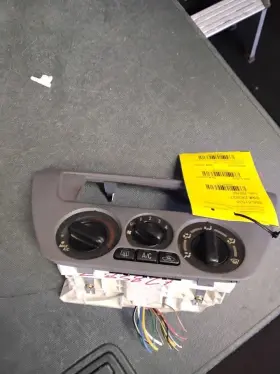
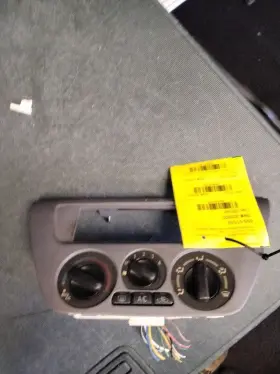
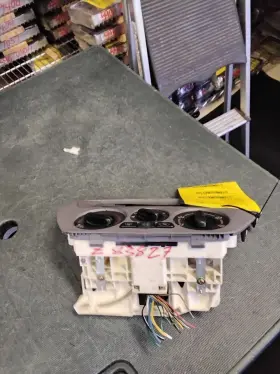
| Brand | MITSUBISHI |
|---|---|
| Model | LANCERMIT |
| Part Type | CONTROL CYLINDER STATION |
| Conditions Options | MANUAL TEMP CONTROL |
| Genuine Oem | YES |
| Ipn | 655-51535 |
| Year | 2003 |
Review MITSUBISHI Temperature Control Cylinder Station Wgn Fits for LANCER 2002–2006
The Mitsubishi 655-51535 temperature control cylinder is an essential component of the heating and air conditioning system in certain models of Mitsubishi Lancer vehicles produced between 2002 and 2006. This temperature control cylinder, also known as a thermal expansion valve, plays a critical role in controlling the temperature and pressure of the refrigerant in the car's climate control system.
This component is manufactured by Mitsubishi Electric Automotive Climate Control Systems Corp., a renowned supplier of climate control systems and components for vehicles. The Mitsubishi 655-51535 temperature control cylinder is built to deliver reliable and efficient temperature regulation for your Lancer, ensuring your driving experience remains comfortable in various climatic conditions.
The temperature control cylinder operates by expanding the reflected refrigerant as the pressure in the low-pressure side of the system increases, triggering the opening of the thermostatic expansion valve. Opening the valve allows the refrigerant to flow into the evaporator core, providing the cold air that circulates through the passenger cabin. As the engine cools down, the expansion valve closes, allowing the refrigerant to flow back into the compressor and begin the cooling cycle anew.
This temperature control cylinder comes as a complete assembly and includes the thermostat as an integral part of its design. This thermostat is engineered to control the temperature of the refrigerant flowing through the evaporator core, maintaining the desired temperature balance for your climate control system.
The Mitsubishi 655-51535 temperature control cylinder is designed to last for an extended period, but like other vehicle parts, it may eventually wear out or fail due to natural aging or other causes. When this happens, symptoms such as inconsistent temperature control, air conditioning system not functioning at all, or longer warm-up times may indicate that a replacement is necessary.
An illuminated "AC" warning light on your dashboard could be another sign that your temperature control cylinder may need to be replaced. Inspecting this component visually might reveal signs of damage or contamination that necessitate a replacement. In all these cases, it's crucial to consult with a certified mechanic or climate control technician to diagnose and address the issue effectively.
Installation of a new Mitsubishi 655-51535 temperature control cylinder requires the expertise of a qualified technician, as it involves disconnecting and removing the old component, testing the new part, and securely affixing it in place. This process may also include reconnecting various electrical connections and charging the system with refrigerant.
In conclusion, the Mitsubishi 655-51535 temperature control cylinder is a critical component of your Lancer's heating, ventilation, and air conditioning (HVAC) system designed for efficient temperature regulation. Its ability to respond to the ambient temperature and control the refrigerant flow ensures your vehicle's climate control system operates effectively and maintains a comfortable environment for you and your passengers. When it's time for a replacement, it's important to seek out a qualified technician to ensure a proper installation and long-term performance.
Mitsubishi temperature control cylinder (part number 655-51535) is a critical component for the heating and air conditioning system in certain models of Lancer vehicles produced between 2002 and 2006.Replacing this part can offer several benefits, but it also comes with potential drawbacks.
Pros of replacing the Mitsubishi temperature control cylinder:1. Improved climate control: A faulty temperature control cylinder can cause inconsistent heating and cooling, resulting in an uncomfortable cabin. By replacing this part, you'll be able to restore proper temperature control in your vehicle.
2. Enhanced fuel efficiency: A malfunctioning temperature control cylinder can cause the HVAC system to work harder, which can lead to increased fuel consumption. Replacing the faulty part will help the system work more efficiently and save you money on fuel in the long run.
3. Prevents further damage: A broken temperature control cylinder can cause damage to other components in the HVAC system, potentially leading to more expensive repairs down the road. Addressing the issue with a new part can help prevent these issues.
4. Improved cabin air quality: A faulty temperature control cylinder can allow moisture to enter the HVAC system, leading to mold and mildew growth. Replacing the part will not only improve temperature control, but it will also help maintain cleaner and fresher cabin air.
Cons of replacing the Mitsubishi temperature control cylinder:1. Cost: Replacing the temperature control cylinder can be a significant investment, with prices ranging between $250 to $500 or more, depending on the specific labor and parts costs.
2. Installation complexity: Installing the new temperature control cylinder might require some mechanical skill, especially if you plan to do it yourself. Some vehicles may require professional assistance for a proper installation.
3. Time commitment: Replacing the temperature control cylinder is not a quick fix. The entire HVAC system may need to be drained and disassembled to access and replace this part, resulting in a longer repair time.
Conclusion: While the cost and time commitment associated with replacing the Mitsubishi temperature control cylinder may be a deterrent, the benefits of improved climate control, enhanced fuel efficiency, and prevention of further damage to your vehicle make this an investment worth considering. If the part is causing significant issues or showing signs of failure, it's essential to address it promptly to ensure the longevity and functionality of your heating and air conditioning system.
Recommendation: If you're experiencing temperature control issues with your 2002-2006 Mitsubishi Lancer and you believe the temperature control cylinder may be the culprit, it's worth investigating further. Consult a professional automotive mechanic for an accurate diagnosis and a quote on the repair. You can also compare prices from various parts suppliers to ensure you're getting a fair deal for your new temperature control cylinder. Once the repair is complete, you'll enjoy a more comfortable driving experience and peace of mind knowing your vehicle's heating and air conditioning system is functioning optimally.
Details:
Evolution; 2.0l 4 cylinder, w/ac, Lancer 04-05 excl. Evolution; 2.4l 4 cylinder, w/ac, Lancer 05-06 evolution, 06 excl. Evolution; w/ac, Lancer 04 evolution, from 01/04, 04-05 excl. Lancer 03 excl.
No expedited shipping is available. Help message.
specifications aircondiheat:
- for models: Lancer
- for years: 2002–2006
- brand: Mitsubishi
- model: Lancermit
- part type: Control Cylinder Station
- conditions options: Manual Temp Control
- genuine oem: Yes
- ipn: 655-51535
- year: 2003
payments aircondiheat:
- wallet: google-pay
- other
- credit card: visa
seller aircondiheat:
- rating: 88.0%
- # reviews: 1640
- city: elgin, illinois
offer aircondiheat:
- started: october 22, 2024
- in stock #: 5
- options: ship-to-home
- availability: in stock
- prices: $99.50–$237.50
- item condition: Used
- sold #: 28
general aircondiheat:
- category: Auto Parts > Car Truck Accessories > Air Conditioning Heating > Hvac Controls Units
returns aircondiheat:
- paid by: buyer
- policy: returns accepted
- time: 30 days
shipping aircondiheat:
- type: fixed
- service: standard
- class: standard
- transit: 3-8 days
Similar Items:
- Mitsubishi 682-58696 Ac Compressor Fits 97-04 Montero Sport ...(January 31st, 2024)
- Mitsubishi 615-50142 Blower Motor Fits 07-10 Outlander Differentials: all internal lubricated parts within the drive axle housing are guaranteed in good working condition at time of purchase. Useful links. Used tires are not tested or labeled by mas to meet any safety standards. Replace thermostat gasket. Cleaning solvents and/or polishing materials. ...(February 5th, 2024)
- Mitsubishi 679-58759 Ac Condenser Fits 97-04 Montero Sport ...(February 9th, 2024)
- Mitsubishi 655-11806 Auto Heater Temperature Control Fits 15 Mirage ...(February 9th, 2024)
- Mitsubishi 615-58573 Blower Motor Fits 02-07 Lancer No expedited shipping is available...(February 15th, 2024)
- Mitsubishi 655-51889 Temperature Control Us Market Fits 07-10 Outlander De, out lander 07 us market, excl. Evolution; es, us market, lancer 09-10 manual temperature control, de, at, excl. Evolution; de, at, us market, lancer 08 excl. XLS, out lander 08 2.4L 4 cylinder, us market, 3.0L 6 excl...(February 28th, 2024)
- Mitsubishi 655-11812 Outlander 2019 Temperature Control Fill trans with manufacture specified fluid. Flush and inspect cooling lines. Install new belts and hoses. Replace valve cover gaskets. And engage torque converter into the front pump. Replace oil pan gasket and rear main seal. Adjust throttle position sensor cable. If needed replace timing gears, ...(March 9th, 2024)
- Mitsubishi 682-10289 Ac Compressor Fits 11-12 Outlander Sport And engage torque converter into the front pump. Install new belts and hoses. Replace oil pan gasket and rear main seal. Adjust throttle position sensor cable. Flush cooling system and re-fill. Install new filter kit. Clear all transmission computer codes prior to starting or operating the vehicle. ...(March 9th, 2024)
- Mitsubishi 655-50949 00-04 Montero Sport Ac Heater Climate Temperature Control Oem R 2102 Standard warranty...(March 12th, 2024)
- Mitsubishi 655-51043 00 01 02 03 04 Montero Sport Temperature Control Front Us ...(March 20th, 2024)
- Mitsubishi 655-11778 Outlander 2018 Temperature Control Warranty does not cover attached items or accessories. Warranty does not include rear main seal. Engines and transmissions. Three rivers, mi 49093. Warranty standard...(March 22nd, 2024)
