- Car & Truck Air Conditioning Heating Parts On Sale
- sku: 2984865013434691
- KIA 655-72410
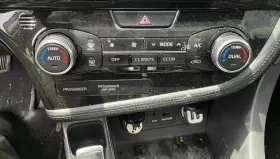
655-72410 KIA Temperature Control Automatic Optima
fits model: Optima. year: 2014–2016.
| Brand | KIA |
|---|---|
| Part Type | CONTROL |
| Genuine Oem | YES |
| Ipn | 655-72410 |
| Manufacturer Warranty | NO WARRANTY |
Review KIA Temperature Control Automatic Fits for OPTIMA 2014–2016
Kia 655-72410 Temperature Control System for Optima (14-16): Experience Comfort and Efficiency
The Kia 655-72410 Temperature Control System is an essential component for ensuring optimal comfort in the cabin of your Kia Optima models from the 14-16 generations. Designed with advanced technology and superior engineering, this temperature control automatic system provides efficient climate control for both the driver and passengers.
The system's automatic temperature control function uses a sophisticated sensor to continuously monitor the interior temperature, adjusting the heating or cooling accordingly. By analyzing the data received from the sensor, the unit is capable of maintaining a consistent and comfortable cabin temperature, regardless of the external climate conditions.
To ensure the efficient operation of the temperature control system, an integrated electronic control unit manages the whole system, including the blower motor, temperature sensors, and other components. The system also includes a user-friendly dashboard control panel, enabling easy adjustments to the temperature, fan speed, and recirculation settings.
Moreover, the temperature control automatic system incorporates a defrost function for the windshield and rear window, ensuring enhanced visibility and safety during cold weather conditions. In addition, the auxiliary heating system provides rapid heating when necessary, keeping your Kia Optima warm during winter's chill.
Installation and compatibility of the Kia 655-72410 Temperature Control System are straightforward, as it is specifically designed for 14-16 Optima models. It also comes with a comprehensive wiring harness, making the installation process easier and more efficient.
In conclusion, the Kia 655-72410 Temperature Control System for Optima (14-16) is an essential addition for maintaining ideal cabin comfort throughout all year-round conditions. With its advanced temperature sensing technology, user-friendly controls, and efficient defrost and auxiliary heating features, you can travel in confidence and enjoy a consistently comfortable driving experience.
The Kia Optima 14-16 model with the 655-72410 temperature control automatic system is a midsize sedan offering advanced climate control features. Here's a list of pros and cons based on various aspects to help you make an informed decision:
Pros:1. Enhanced Comfort: The automatic temperature control system maintains a consistent cabin temperature, providing optimal comfort for both driver and passengers.
2. Convenience with Easy Use: This system allows for easy temperature adjustment through the control panel or the climate control buttons on the steering wheel.
3. Energy Efficiency: By maintaining a consistent temperature, the system helps reduce energy consumption compared to frequent manual temperature adjustments.
4. Frost Protection: The automatic temperature control system includes a defrost function, ensuring excellent visibility during Winter conditions.
5. Advanced Climate Control: The temperature control system analyses external temperature and conditions inside the vehicle to make precise adjustments automatically.
Cons:1. Potential Malfunctions: As with any electrical system, there is a chance of malfunction or failure over time, which could result in costly repairs.
2. Complexity: The temperature control automatic system is more complex than manual climate control systems, increasing the risk of potential issues.
3. Maintenance Cost: Due to its complexity, the maintenance cost of an automatic temperature control system is generally higher than a manual climate control system.
4. Limited Repair Shop Availability: Some independent garages may not have the specialty equipment or knowledge required to diagnose and repair an automatic temperature control system.
Conclusion:The Kia Optima 14-16 model with the 655-72410 temperature control automatic system offers enhanced comfort, convenience, and energy efficiency. However, it comes with potential risks such as malfunctions, complexities, higher maintenance costs, and limited availability of qualified repair shops. Weighing these factors against your individual preferences and circumstances, if the advantages outweigh the drawbacks for you, then the investment in this system may be worthwhile.
Recommendation:Considering the benefits and potential issues, it might be a good idea to explore extended vehicle warranties that specifically cover climate control systems. This can help mitigate repairs costs and provide peace of mind. Additionally, regular maintenance and careful driving habits can help minimize the likelihood of issues. Ultimately, your decision will depend on your personal preferences, needs, and budget.
Details:
Adjust throttle position sensor cable. Replace thermostat gasket. Engines are guaranteed against knocking and excessive smoking. Install new belts and hoses.
Flush cooling system and re-fill. Flush and inspect cooling lines. Install new spark plugs wires. If needed replace timing gears, chains, or belts gaskets.
Pre-installation requirements: drain and replace engine oils to manufacture suggested levels. And engage torque converter into the front pump. Install new filter kit. Replace valve cover gaskets.
Replace oil pan gasket and rear main seal. Clear all transmission computer codes prior to starting or operating the vehicle. Fill trans with manufacture specified fluid. Pre-installation requirements: replace all seals.
Replace oil, air, and fuel filters.
specifications aircondiheat:
- for models: Optima
- for years: 2014–2016
- brand: Kia
- part type: Control
- genuine oem: Yes
- ipn: 655-72410
- manufacturer warranty: No Warranty
payments aircondiheat:
- wallet: apple-pay
- credit card: visa
general aircondiheat:
- category: Auto Parts > Car Truck Accessories > Air Conditioning Heating > Hvac Controls Units
offer aircondiheat:
- availability: in stock
- started: june 8, 2024
- sold #: 32
- best offers: true
- options: ship-to-home
- in stock #: 5
- prices: $40.00–$69.00
- item condition: Used
shipping aircondiheat:
- carrier: ups
- type: fixed
- service: ups ground
- class: standard
- transit: 4-7 days
seller aircondiheat:
- # reviews: 1425
- city: joliet, illinois
- rating: 99.6%
returns aircondiheat:
- time: 30 days
- policy: returns accepted
- paid by: seller
Similar Items:
- Kia 682-69499 Ac Compressor Id 97701c6800 Fits 16-18 Sorento 97701C6800,16-18,3.3 ac compressor id 97701C6800 fits 16-18 serenity 3.3L OEM#97701C6800. Ac compressor id 97701C6800 fits 16-18 serenity 3.3L 6 month warranty OEM#97701C6800...(January 27th, 2024)
- Kia 679-59619 Ac Condenser Fits 14 Forte Forte 14 2.0L. Forte 14 1.8L...(January 29th, 2024)
- Kia 655-72843 Temperature Control Front Navigation With Rear Ac Fits 16 Sorento This part will fit these makes and model's with options...(January 29th, 2024)
- Kia 655-10030 Heater Climate Temperature Control With Automatic Air Conditioning Fits 17-19 Sp Part notes notes: 57K donor vehicle model: Sportage year: 2017 mileage: 57000 1000 unknown stock number: 310091 fitment information this part will fit these makes and model's with options. Heater climate temperature control with automatic air conditioning fits 17-19 Sp this part is from a 2017 ...(January 29th, 2024)
- Kia 971131u000 Blower Motor Front Fits 11-13 16-20 Sorento They will not have any packaging included. Note: image shown may be the vehicle from which, part was pulled, or a generic image representing, typical stock, rather than unique item being sold. Adjust throttle position sensor cable. Install new filter kit. Install new spark plugs wires. Fill ...(January 29th, 2024)
- Kia 97775-3v500 12-13 Optima 2.4l A c Refrigerant Suction And Liquid Hose Oem Standard warranty. Items which become externally damaged after item is received by customer, are not covered warranty...(February 3rd, 2024)
- Kia 655-51337 Temperature Control Ex Fits 03-06 Sorento ...(February 3rd, 2024)
- Kia 655-52376 Temperature Control Manual Fits 09-11 Borrego No expedited shipping is available...(February 3rd, 2024)
- Kia 655-72857 Temperature Control Manual Fits 16-18 Optima Standard warranty...(February 3rd, 2024)
- Kia 25412-3s000 2011-2015 Optima 2.4l Radiator Coolant Hose Pipe Oem Items which become externally damaged after item is received by customer, are not covered warranty. Standard warranty...(February 4th, 2024)
- Kia 615-50104 Blower Motor Fits 06-11 Rio No expedited shipping is available...(February 7th, 2024)
