- Car & Truck Air Conditioning Heating Parts On Sale
- sku: 5378740057054783
- AUDI 10S14A3-977
10S14A3-977 AUDI Air Conditioner Heater Evaporator Core Q7
fits model: Q7. year: 2017–2023.
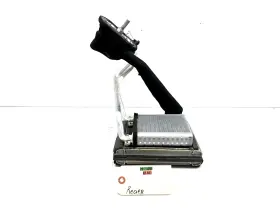


| Brand | AUDI |
|---|---|
| Manufacturer Part Number | 10S14A3-977 |
| Part Type | HEATER RADIATOR |
Review AUDI Air Conditioner Heater And Evaporator Core Radiator Assembly Oem for Q7 2017–2023
Audi Q7 2017-2023 Air Conditioning Heater Evaporator Core Radiator (AUD10S14A3-977)
Description:The Audi Q7, a luxurious SUV known for its sophisticated design and superior performance, comes equipped with an advanced climate control system. This system relies on a sophisticated air conditioning heater evaporator core radiator to maintain the desired cabin temperature. The Audi 10S14A3-977 is the specific part number for this component in Audi Q7 models produced between 2017 and 2023. In the following paragraphs, we will discuss the essential features, functions, and applications of this key air conditioning and heating component.
Features:1. Air Conditioning and Heating: The Audi Q7 2017-2023 air conditioner heater evaporator core radiator is designed to provide efficient heating and cooling for the vehicle's climate control system. It uses advanced technology to ensure comfortable temperatures in various weather conditions.
2. Evaporator Core: The core of this component is the heart of the air conditioning system. It contains a series of tubes filled with refrigerant, which absorbs heat from the cabin air as it passes through. The incoming air is cooled down, and the resulting moisture is collected in the drip pan before being expelled from the vehicle.
3. Heater Function: The radiator also plays a crucial role in the heater function. When in heating mode, the core transfers the heat from the refrigerant to the cabin air, keeping passengers comfortable during colder weather.
4. Durability: Designed using high-quality materials and precise engineering, this radiator can withstand the harsh conditions of frequent use. It is resistant to corrosion, ensuring a long service life and reliable performance.
5. OEM (Original Equipment Manufacturer) Quality: This replacement part is an exact match for the original Audi part, ensuring optimal fit, form, and function for your vehicle.
Function:The Audi Q7 2017-2023 air conditioning heater evaporator core radiator plays a central role in the vehicle's climate control system. As the air from the outside enters the HVAC (Heating, Ventilation, and Air Conditioning) system, it passes through this component. During the cooling cycle, the radiator absorbs heat from the incoming air using a refrigerant. The cooled air is then circulated into the cabin, while the removed heat is expelled from the vehicle. During the heating cycle, the radiator transfers heat from the refrigerant to the incoming air, which is then distributed throughout the cabin.
Applications: This Audi air conditioning heater evaporator core radiator (AUD10S14A3-977) is specifically designed for the following models:- Audi Q7: 2017, 2018, 2019, 2020, 2021, 2022, and 2023
By replacing a faulty or malfunctioning radiator with this OEM-quality component, you can restore your Audi Q7's climate control system to optimal performance, ensuring you and your passengers enjoy a comfortable driving experience during any season.
Sizes and Compatibility:The dimensions and fitment of the Audi 10S14A3-977 air conditioning heater evaporator core radiator are precisely designed to fit the listed Audi Q7 models. Be sure to double-check your vehicle's specifications before purchasing and installing the radiator to ensure a flawless fitment. Furthermore, it is essential to order this part from a trusted supplier to guarantee its authenticity and compatibility with your vehicle.
Conclusion:The Audi 10S14A3-977 air conditioning heater evaporator core radiator is an essential component of the climate control system in the Audi Q7. By providing both cooling and heating functions, this radiator ensures driver and passenger comfort in various weather conditions. Designed using high-quality materials and manufactured to OEM specifications, this replacement part offers durability, reliability, and optimal performance. Trusted suppliers ensure you receive an authentic component perfectly tailored to your vehicle, guaranteeing a flawless fitment and seamless integration into your Audi Q7.
Pros and Cons of Replacing an Audi Q7 (2017-2023) Air Conditioning, Heater, Evaporator Core, and Radiator (Part Number: Audi 10S14A3-977)
Introduction:The Audi Q7 is a premium SUV known for its impressive performance and advanced features. However, like any other vehicle, it can develop issues with its heating and cooling system. Replacing the air conditioning, heater, evaporator core, and radiator as a single unit (Audi 10S14A3-977) can be a significant investment. In this article, we will provide you with the pros and cons to help you make an informed decision.
Pros:1. Comprehensive Solution: Replacing the entire unit ensures that all components are new and functioning properly, eliminating the need for further repairs in the near future.
2. Improved Performance: A new heating, ventilation, and air conditioning (HVAC) system can lead to better temperature control, reduced cabin noise, and improved air quality.
3. Enhanced Efficiency: A new HVAC system can lead to improved fuel efficiency as a result of components working in optimal condition.
Cons:1. Cost: Replacing the entire unit can be expensive, with labor and parts costs adding up. However, it may be more cost-effective in the long run if you consider the ongoing repair costs of individual components.
2. Time-Consuming: This repair can take several hours to complete, depending on the expertise of the mechanic and the complexity of the installation process.
3. OEM vs. Aftermarket: Choosing Original Equipment Manufacturer (OEM) parts may be more expensive but offers superior fitment, functionality, and durability. Opting for aftermarket parts can save you money but may come with potential compatibility or performance issues.
Conclusion:Considering the comprehensive solution and improved performance that comes with replacing the entire Audi Q7 air conditioning, heater, evaporator core, and radiator (Audi 10S14A3-977), the investment can be worthwhile. While the upfront cost may be significant, the long-term benefits include better temperature control, reduced cabin noise, and improved fuel efficiency. Keep in mind that opting for OEM parts can help ensure proper functionality and durability.
Recommendation:When it comes to replacing the HVAC components in your Audi Q7, we recommend consulting a trusted mechanic or dealership for an accurate assessment of the situation. They can help determine if repairing individual components or replacing the entire unit is the best course of action. If the decision is made to replace the entire unit, consider investing in OEM parts for optimal fitment and functionality.
Details:
Parts came off a 2017 Audi Q7 3.0l TVs quarto. 3.0l TVs supercharged v6 engine. 8 speed automatic transmission. 166,104 miles.
specifications aircondiheat:
- for models: Q7
- for years: 2017–2023
- brand: Audi
- mpn: 10s14a3-977
- part type: Heater Radiator
general aircondiheat:
- category: Auto Parts > Car Truck Accessories > Air Conditioning Heating
payments aircondiheat:
- credit card: mastercard
- wallet: apple-pay
- other
returns aircondiheat:
- policy: no returns
seller aircondiheat:
- # reviews: 2067
- city: anderson, south carolina
- rating: 99.2%
shipping aircondiheat:
- transit: 4-10 days
- service: standard
- type: fixed
- class: standard
offer aircondiheat:
- sold #: 30
- options: ship-to-home
- price: $199.99
- item condition: Used
- availability: in stock
- started: october 5, 2024
- in stock #: 1
Similar Items:
- Volkswagen 8z0820535a 2022-2023 Audi E-tron S Sportback Ambient Air Temperature Sensor Please here to view details 2022 -2023 Audi e-trons sport back - ambient air temperature sensor 8Z0820535A: condition notes this part comes as shown in the picture. Part fitment and compatibility. 2016 AUDIA3 e-tron sedan, 2016 -2017AUDIA3 sport back E-TRONHATCHBACK1.4L gas turbo, 2018 AUDIA3 ...(January 25th, 2024)
- Audi 8k1819408 08-17 A4 S4 A5 S5 Rs5 Q5 Sq5 Cabin Air Duct Grille Vent 8k1819408a 2016 Audi SQ5 premium plus 3.0L v6 - gas. Some brackets / parts require new torque to yield nuts and bolts. Left is driver side, right passenger side. 2017 Audi SQ5 premium plus 3.0L v6 - gas. Some sensors and modules require programming, component protection removal, crush washers, new seals o ...(January 25th, 2024)
- Audi 8p1 820 003 Heater Box Climate Control Hvac 06-13 A3 Genuine L Heater box climate control hvac 06-13 Audi a3 - genuine 8P1 820 003 l: product info: removed from: 2007 . Warranty: yes. Tested: cleaned, inspected, tested guaranteed. Make sure to read all details of the. You should not rely solely on what vehicles the part fits. Notes: for model's with automatic ...(January 26th, 2024)
- Audi K9749005 09-11 A5 A c Heater Flap Actuator Regulator Motor Oem And Cflo Receipts are available upon request. 09-11 Audi a5 a/c heater flap actuator regulator motor K9749005 oem CFO. Miles: 183,601. 2009 Audi A5. First come first serve. There is no holding of items unless agreed upon...(January 27th, 2024)
- Audi 8v1819593d Tt Hvac Heater Right Side Closure Insulator Cover Pad Oem 2016 2019 Products sold in quantities will show a single image representing the others equal or greater condition. Color: black 0EPA myths metallic/black roof exterior / Jan interior. Mileage: 51K miles. Donor vehicle: 2017 Audi Ty convertible 2.0L TVs quarto automatic transmission...(January 28th, 2024)
- Bosch 4f0820511a 05-11 Audi A6 Ac Hvac Heater Servo Flap Motor Actuator Oem Investing in a genuine oem 2005 -2011 Audi a6 ac hvac heater servo flap motor actuator bosch 4F0820511A can restore your cars climate control system to optimal performance, ensuring comfortable and enjoyable driving experience for everyone the car. Maintains comfort: by regulating airflow and ...(January 28th, 2024)
- Audi 8t1820951c 08-12 A4 S4 A5 S5 B8 Center Dash Dashboard Air Vent Oem Part #: Audi 8T1820951C for sale...(February 4th, 2024)
- Audi 8w1 819904a 2017-2023 A4 A5 Front Right Side Cabin Fresh Air Intake Duct 8w1819904a ...(February 9th, 2024)
- Audi 4g0129624j 2013 2018 S7 Rs7 4g 4.0l Hose Tube Pipe Air Intake Cleaner Box Duct Oem Orders placed before 0800 etc are dispatched on the same day. Simply drop us a message with your car model and we'll quickly confirm the fitment...(February 11th, 2024)
- Audi 4h0907658 2016-2017 Tt Air Quality Sensor 2016 AUDIA3 e-transiting vehicles with production date after 05/26/14. Part fitment and compatibility. Please here to view details 2016 -2017 Audi Ty - air quality sensor 4H0907658: condition notes this part comes as shown in the picture. 2019 -2020AUDIA3, a3 ,s line, SEDAN1.4L gas turbo, 2.0L ...(February 13th, 2024)
- Audi 077129951 2005 2006 A8 D3 4.2l Hose Tube Pipe Air Intake Cleaner Box Oem Orders placed before 0800 etc are dispatched on the same day. Simply drop us a message with your car model and we'll quickly confirm the fitment...(February 25th, 2024)
